
Hearing Tips

Protecting Your Hearing: The Truth About Earbud Use

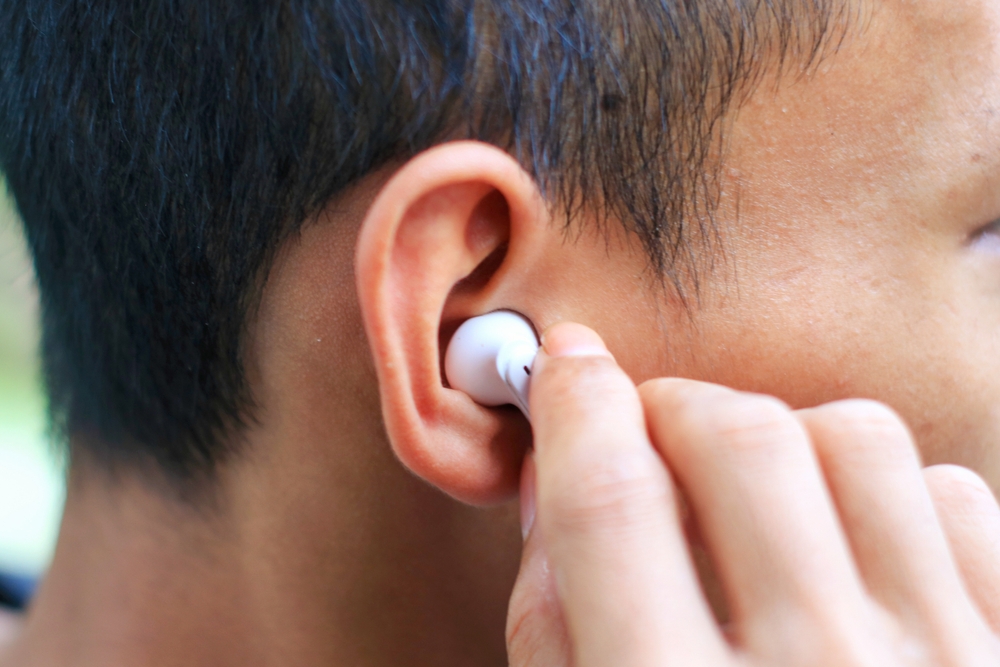
Personal audio devices have become a part of everyday life, especially among teens and young adults. Whether using earbuds or over-the-ear headphones, many people rely on music, podcasts, or other audio content throughout the day. For younger generations in particular, listening to audio has become a constant companion during school, work, exercise, and travel. This

Medicare Cover Hearing Aids? Here’s the Truth

Many people are surprised to learn that Original Medicare does not typically cover hearing aids. While Medicare may cover certain diagnostic hearing exams when medically necessary, the cost of hearing aids and routine hearing care is generally not included. The good news is that you may still have options to help make hearing aids more

Forget the Bulky Designs—Today’s Hearing Aids Are Discreet and Comfortable

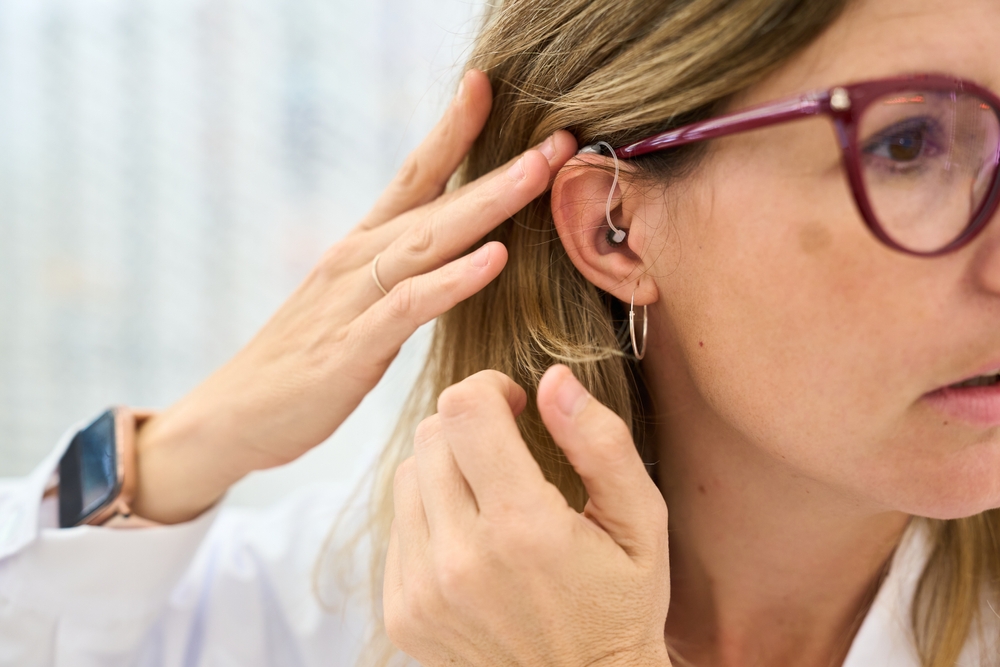
One of the most common reasons people delay seeking help for hearing loss is the belief that hearing aids are bulky, unattractive, or uncomfortable to wear. Given the appearance of older devices, this concern is understandable. Many individuals have also worried about the social stigma associated with hearing loss, fearing that others might exclude them

Understanding Hearing Aid Financing: Coverage, Benefits, and Savings Opportunities

When researching hearing aids, many people are surprised by the initial cost. The overall investment can vary depending on the technology level, features, and the personalized care and support included with your treatment plan. For some individuals, the upfront price may feel overwhelming and can even delay taking the next step toward better hearing. While

Separating Fact from Fiction: 7 Hearing Loss Myths Explained

Separating hearing truths from common fallacies provides the confidence needed to address auditory changes. We will now examine seven prevalent auditory myths and the clinical evidence that refutes them. Although hearing loss affects a vast demographic, false narratives continue to obstruct the path to effective ear care. And with hearing loss, getting the right care

How Your Brain Shapes What You Hear: A Guide to Cognitive Hearing

Most people think of hearing as something the ears do, which is partly true. In reality, the act of hearing is a sophisticated neurological process that relies heavily on brain health. Cognitive hearing is your brain’s ability to interpret and make sense of the sounds your ears hear. For instance, a patient may possess perfect

Hearing Aids and Cognitive Health: What You Need to Know

Everybody knows that hearing is something your ears do. What we think less about is the role our brain plays in hearing. Your ears collect sound, but your brain interprets it, turning vibrations into words, meaning, and memories. As hearing loss diminishes input, the brain struggles to maintain a high-fidelity connection to the environment. Sustained

How Untreated Hearing Loss Can Affect Your Career

Developing hearing issues do not simply cease once you enter the workspace. To many professionals, it disrupts collaborative syncs, telephone conversations, and self-assurance well before colleagues become aware. When you or a member of your team encounters hearing difficulties, learning how these gaps influence job execution and available support systems can transform both output and

Transient Hearing Loss Requires Your Full Attention

One can easily dismiss a short-term reduction in hearing. Maybe your ears feel clogged after a flight. Sounds could seem significantly less clear after a night of loud music. Or you could find that upon waking, your hearing is suddenly perceived as remote and foggy. These symptoms often improve on their own, so many people

Seasonal Fluctuations and Hearing Loss Symptoms

Most people attribute hearing shifts to the aging process, yet environmental cycles play a pivotal role in ear health. If you perceive winter ear-blocking or heightened summer sensitivity, these are recognized clinical patterns. Occurrences of seasonal hearing loss symptoms are frequently tied to the atmospheric and biological changes of the rotating year. Luckily, understanding how